

Analyst Report

We’ve got you covered. Every session is here, ready to stream on demand.


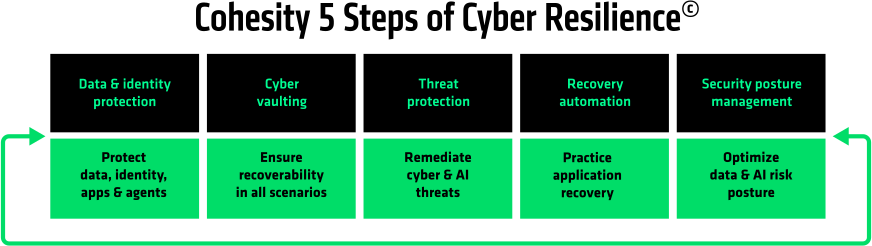
Respond faster and recover securely from destructive cyberattacks with the Cohesity 5 Steps of Cyber Resilience© framework.
Cyberattacks continue to be the #1 threat to businesses. These disruptive attacks result in lost revenue, excessive costs, fines, and reputational damage.
It’s time for a new approach.
Cohesity helps organizations like yours evolve their strategy, with the Cohesity 5 Steps of Cyber Resilience©. This proven framework guides your organization from preparation through recovery – helping you adopt modern cyber resilience practices and technology. The result: reduced risk, and a stronger security posture.
The numbers reveal the gap between confidence and reality.
Cyber resilience can be challenging. Here’s how Cohesity breaks down 5 steps to ensure your organization can bounce back quickly and confidently from cyberattacks.
Data sprawl increases your risk from a cyberattack. Unprotected workloads, data silos, and gaps in identity protection widen your attack surface—and sensitive data hiding across cloud, SaaS, and on-prem environments creates blind spots that leave you exposed.
You know where most of your data lives. Protect it. But sensitive data hides where you'd never think to look. Use Data Security Posture Management (DSPM) to discover and classify it, then protect it before attackers find it first.
Key actions:
Cyber attackers aim to encrypt or destroy your backups. Once your last line of defense is compromised, you're cornered, forced to pay the ransom. Harden your platform with advanced security features– and you’ve taken big strides to improve your security posture. Add a cyber vault for additional protection.
Key actions:
Many cyberattacks are designed to be stealthy. Scanning production environments alone isn't enough. Extend threat detection into your backup data, where attackers assume you won't look. Regularly scan for malware to prevent attacks and limit the damage.
Key actions:
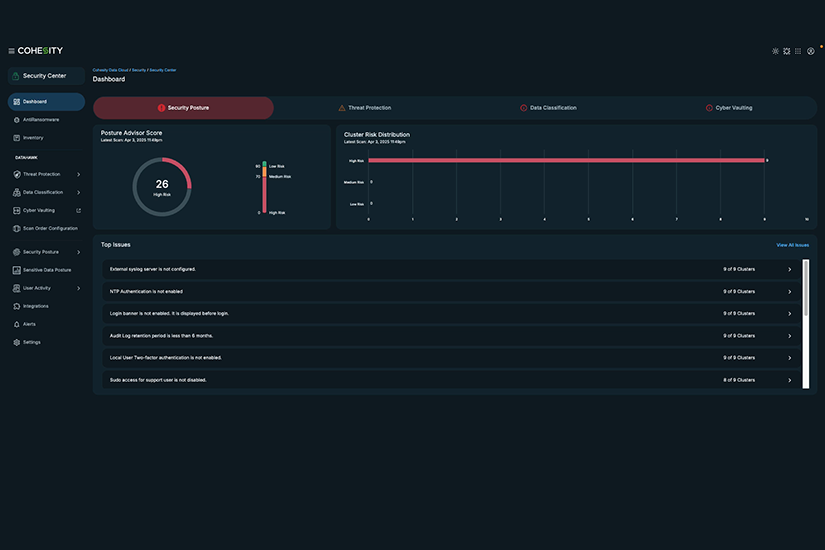
Congratulations. With Steps 1-3 done, your platform is stood up, hardened, and vaulted. You've regularly scanning for threats and hunting anomalies. Now define your Minimum Viable Company and build your digital jump bagTM. These two concepts help ensure faster incident response.
Practice your cyber resilience plan like a pro. Don't wing it during an actual attack: use automation to rehearse cyber response and recovery for infrastructure, data, and applications.
Key actions:
Your data estate continues to expand, increasing your attack surface across on-prem, SaaS, cloud, and edge environments. It’s increasingly difficult to keep track of it all, and you’re never quite sure if your most sensitive data is protected properly. Attackers armed with AI models are capable of discovering and weaponizing vulnerabilities at machine speed, raising the stakes for defenders.
The solution: Move faster and smarter with AI built to surface and act on your risk posture, with governance, control, and trust. Be proactive with DSPM and map the right protection policies to data across your estate. If a breach does happen, you can use data classification to quickly identify your risks.
Key actions:

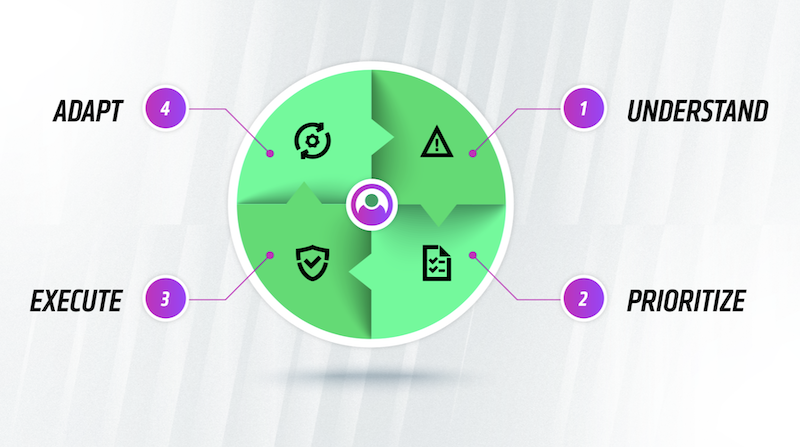
Destructive cyberattacks move at machine speed. Autonomous Cyber Resilience shifts protection and recovery from manual coordination to automated execution.
Cohesity Data Cloud learns your applications, data, and dependencies to establish the critical services that make up your MVC.
Here’s how it works. State your resilience objectives in plain language. The platform will recommend and apply the right protection policies and cyber recovery strategies with your approval. Cohesity Data Cloud keeps watch and will recommend improvements as your data estate evolves.
Prepare before an attack hits. Recover fast. CERT is with you throughout.


Customize your demo experience and see our data security and management in action.

Use the cloud for backup, cyber vaulting, or rapid recovery from cyber threats or disasters.

Meet with a security specialist to identify your risk and build a protection plan.
