

Loading

Threat protection in Cohesity Data Cloud

Detect and investigate threats to reduce your risk from destructive cyberattacks. Powered by Google Threat Intelligence. 

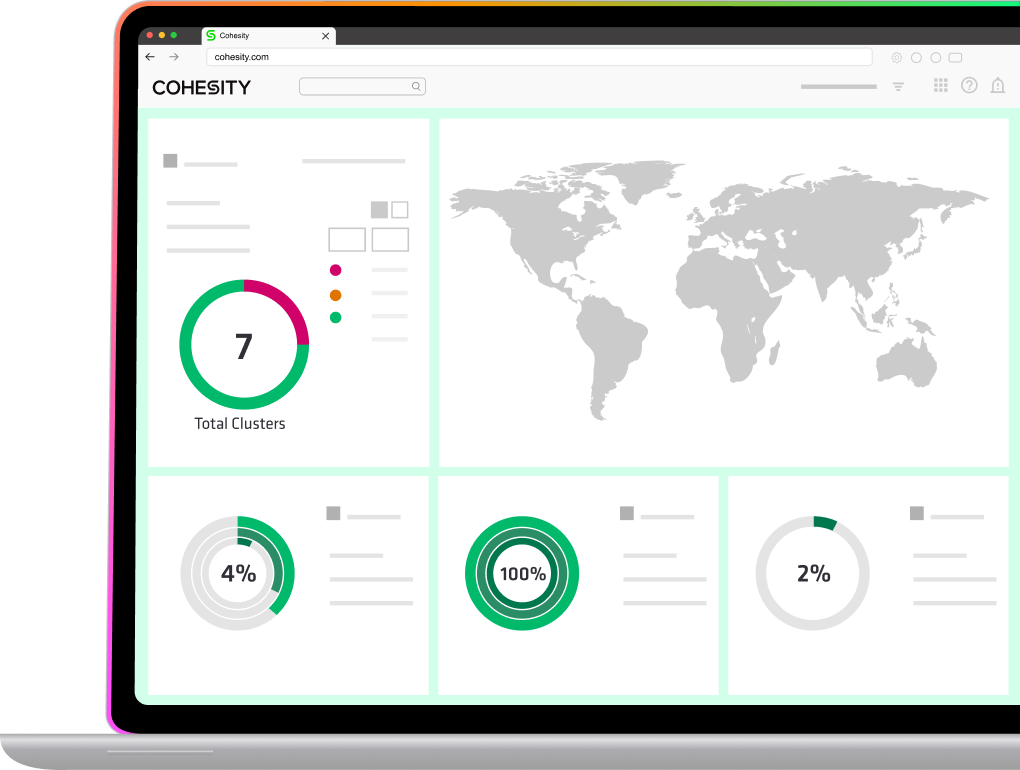
Threat Protection Hero Image

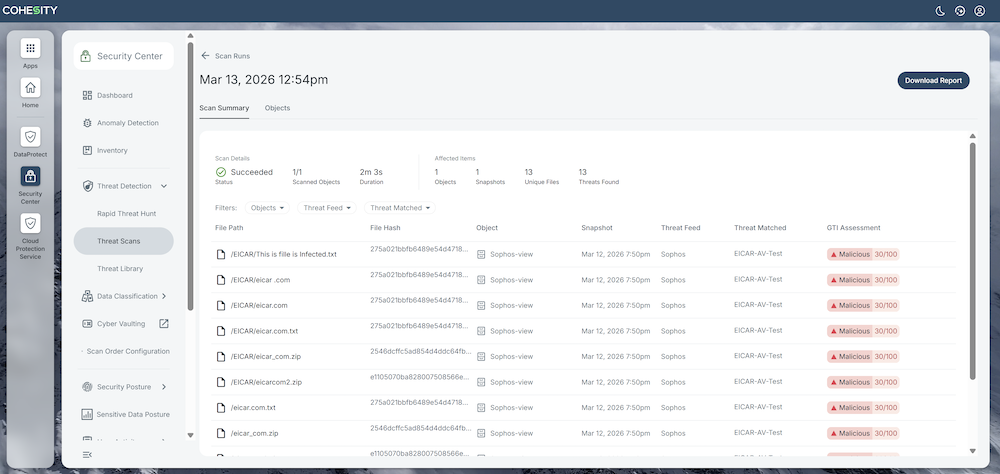
Find and eliminate malware from your data estate with regular threat scans and rapid threat hunting. 

Bad actors are constantly evolving their tactics, techniques, and procedures (TTPs) to evade detection. Relying solely on signature-based threat detection is no longer sufficient.  

Enter the Cohesity Data Cloud. Use powerful threat protection capabilities to find and remove latent malware threats before they detonate. During an incident, hunt for active threats, remediate the issue, and then ensure a clean recovery. Create custom YARA rules to identify advanced threats targeting your environment. 

Features

Scan for malware and other threats in your backups before they detonate 

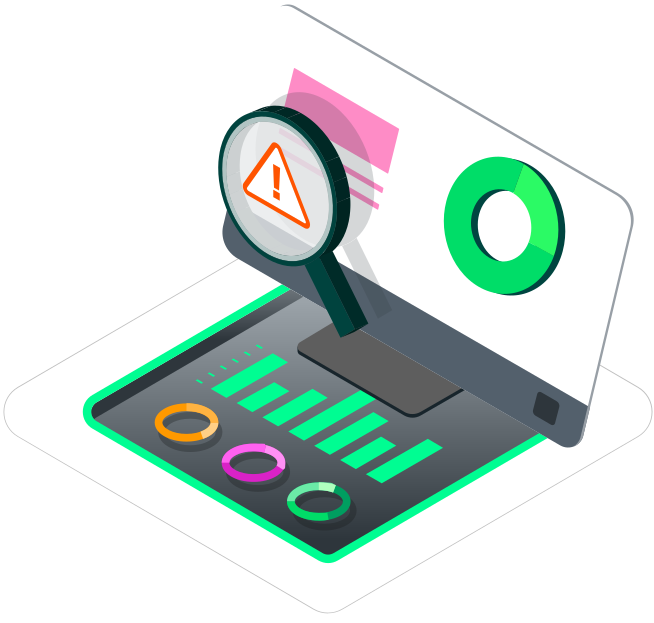
Reduce the risk of destructive cyberattacks by conducing regular threat scans on-demand or on a custom schedule. Find and remove indictors of compromise before they cause a cyber incident. 

Features Image
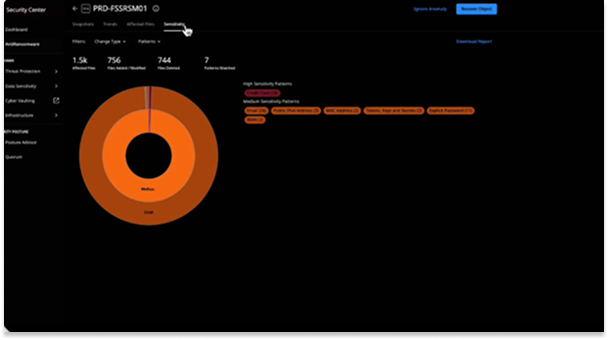
Fast and Simple Image

Fast and simple threat hunting

Analyze snapshots with our built-in Google Threat Intelligence feed. Create your own YARA rules to hunt for elusive threats. Simplify threat protection with one-click threat detection and scanning at scale, and avoid reinfection during recovery

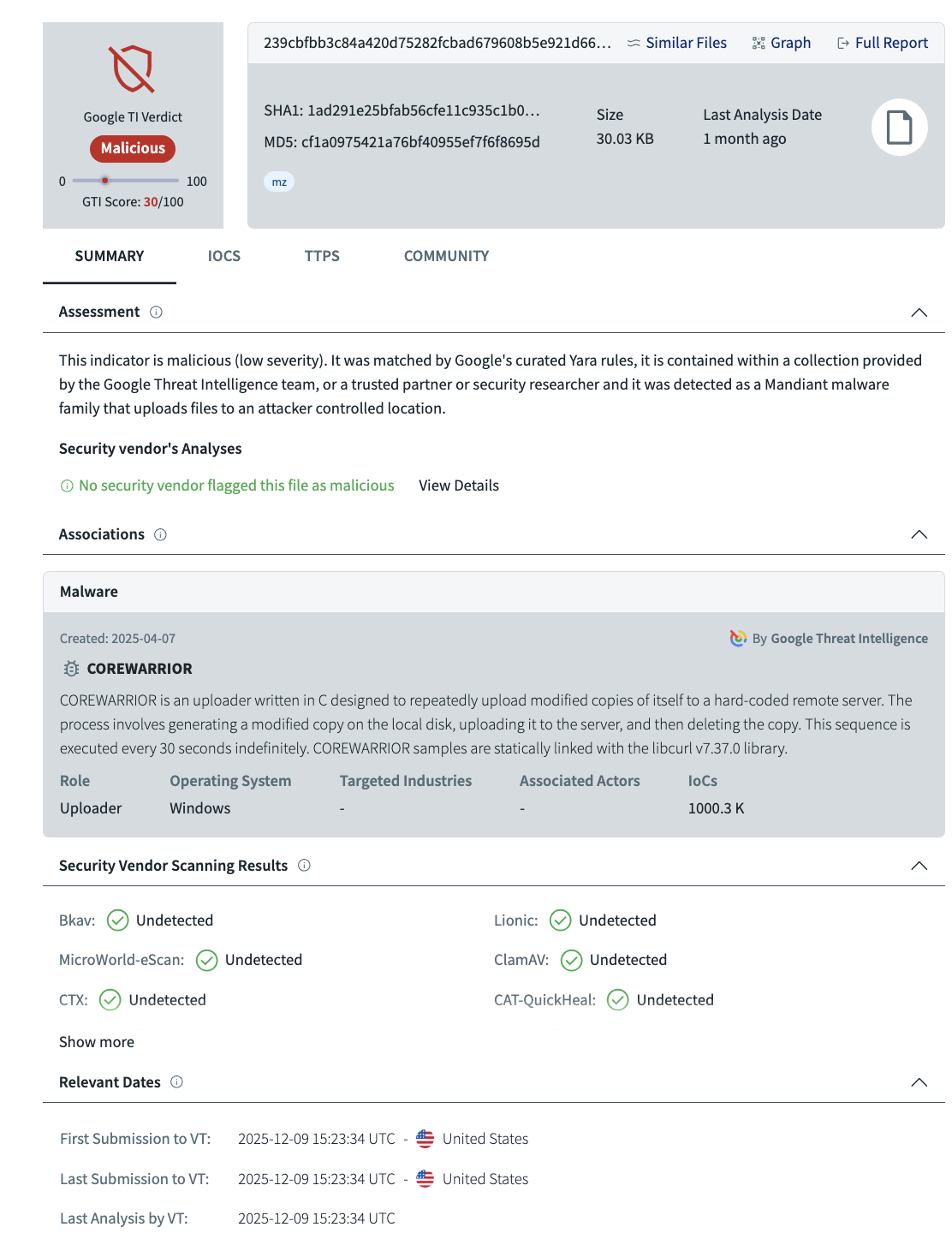
Google Threat Intelligence, included in Cohesity Data Cloud

Cohesity Data Cloud includes Google Threat Intelligence to deliver real-time, context-rich indicators into your backup scanning workflows. Find threats faster, before they impact production systems.

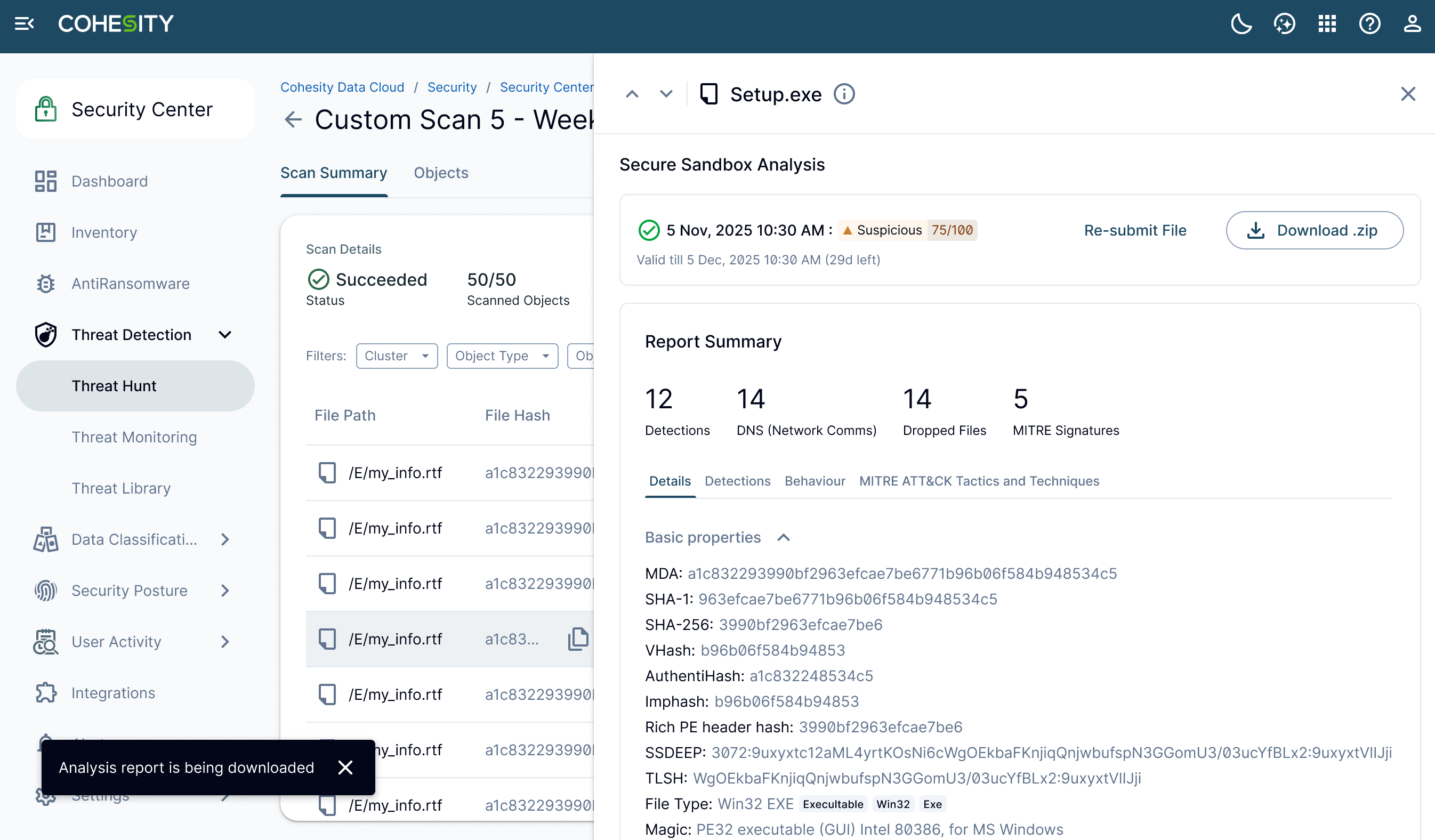
Secure sandbox

Private sandbox analysis

The industry’s first built-in malware sandbox helps you assess the danger posed by suspicious files. Send potentially problematic files to a secure sandbox for safe dentation, all managed by Google Cloud. View detailed analysis and take the appropriate action. 

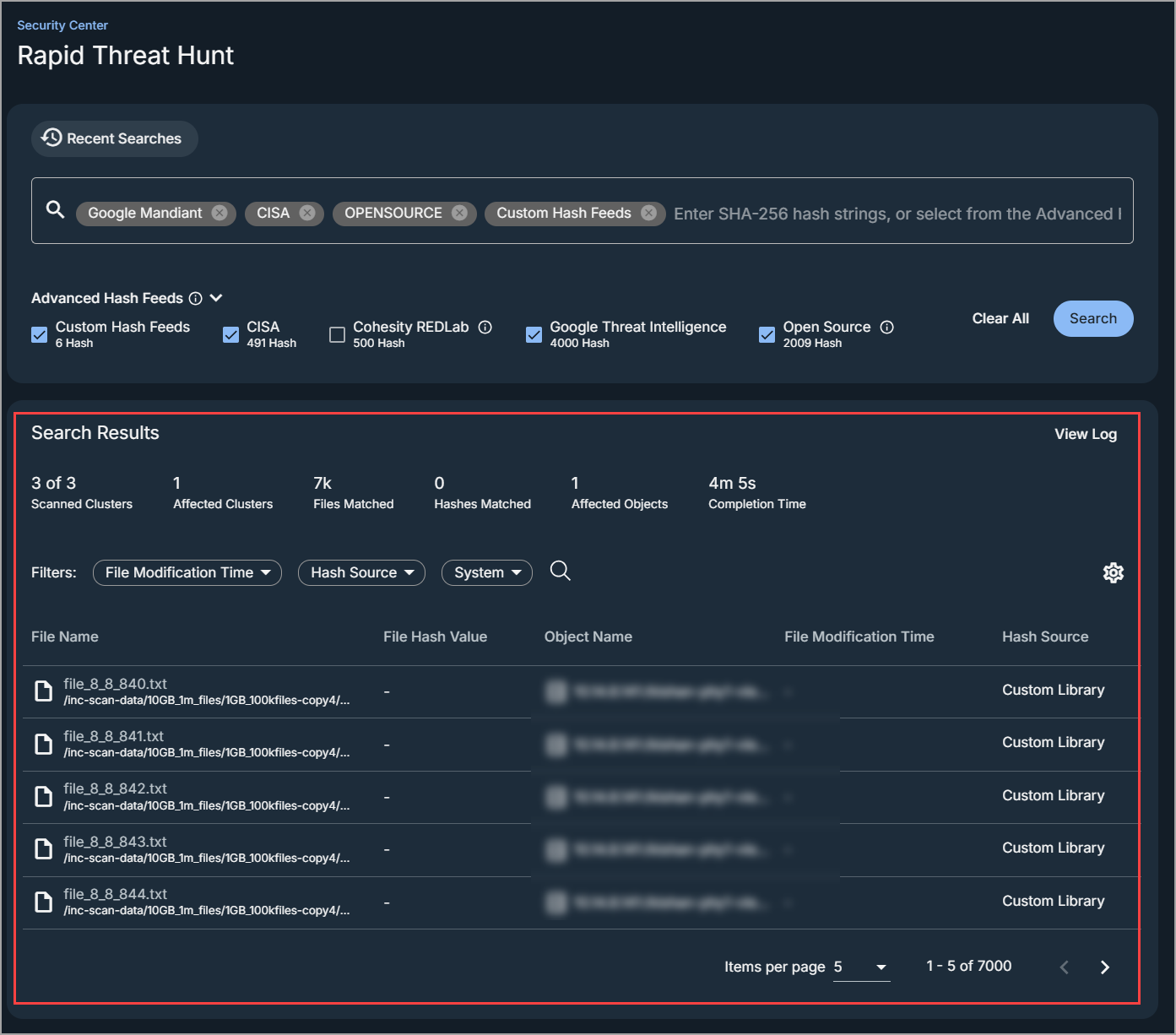
Rapid threat hunting: scan billions of files in minutes

Search for known malicious files using SHA-256 hashes across your data estate 

Simulator
Cyber Incident Response Simulator

See how you’d respond under pressure

Think you’re ready for a ransomware attack? Step into our hands-on, gamified simulator and put your incident response skills to the test.

Cyber Event Response Team Image

Cohesity CERT (Cyber Event Response Team)

Respond faster, recover smarter—because your business can't afford downtime

  • Minimized downtime and data loss: Expert incident response with robust recovery tools dramatically reduces the risk of data loss so your business can recover faster.

  • Rapid response to incidents: Cohesity CERT immediately steps in to help you contain the damage and initiate recovery. 

  • Strategic partnerships: We’ve partnered with the world’s leading cybersecurity incident response firms, so you have what you need to respond to cyberattacks.

Commonly asked threat protection questions

Threat protection refers to the strategies, tools, and technologies used to defend against malicious software, or malware. Malware includes a wide range of harmful software such as viruses, worms, Trojans, ransomware, spyware, and adware, among others.

Effective threat protection involves creating an integrated security architecture with several layers of defense, including antivirus software, firewalls, email and web filtering, and patch management. Combined with user education and training, organizations can significantly reduce their risk of falling victim to malware attacks and protect their sensitive data and systems from compromise.

Threat protection safeguards sensitive data from unauthorized access, theft, or corruption. This is vital for protecting both personal and organizational data, including financial information, intellectual property, and customer records. Specifically, malware attacks can lead to financial losses through various means, such as ransom payments, theft of funds, or disruption of business operations. Threat protection helps mitigate these risks by preventing or minimizing the impact of attacks.

Malware attacks will disrupt business operations, leading to downtime, loss of productivity, and damage to reputation. Effective threat protection helps ensure business continuity by minimizing the impact of cyber threats and enabling prompt recovery from incidents. Additionally, many industries are subject to regulatory requirements and standards related to cybersecurity. Implementing effective threat protection helps organizations comply with these regulations, avoiding potential fines, penalties, or legal liabilities. At the end of the day, organizations of all sizes and across all industries must prioritize threat protection to mitigate the risks posed by malware and other cyber threats.

There are many layers of threat protection designed to detect and respond to specific types or stages of an attack. Some examples include:

  1. Antivirus software is designed to detect and remove malware from computers and networks. It scans files and programs for known malicious code patterns and quarantines or removes any threats detected.
  2. Firewalls monitor and control incoming and outgoing network traffic based on predetermined security rules. They can prevent unauthorized access to a network and block malicious software from communicating with external servers.
  3. Intrusion detection and prevention systems (IDPS) monitor network traffic for signs of malicious activity or known attack patterns. They can detect and respond to threats in real time, helping prevent successful attacks.
  4. Email filtering solutions scan incoming emails for known malware, phishing attempts, and other malicious content. They can help prevent users from inadvertently downloading or opening malicious attachments.
  5. Web filtering tools block access to malicious websites and URLs known to distribute malware. They can also restrict access to certain categories of websites based on organizational policies.
  6. Behavioral analysis uses techniques to identify potentially malicious behavior on endpoints or within network traffic. This approach can detect previously unknown malware based on its actions rather than its signature.
  7. Patch management keeps software and operating systems up to date with the latest security patches, which can help prevent malware from exploiting known vulnerabilities.
  8. User education and training focuses on safe computing practices, such as avoiding suspicious links and attachments, which can help prevent malware infections caused by social engineering tactics.
  9. Endpoint security protects individual devices, such as computers, laptops, and mobile devices, from malware infections. They may include features such as antivirus, firewall, and device control.
Ebook
Ebook
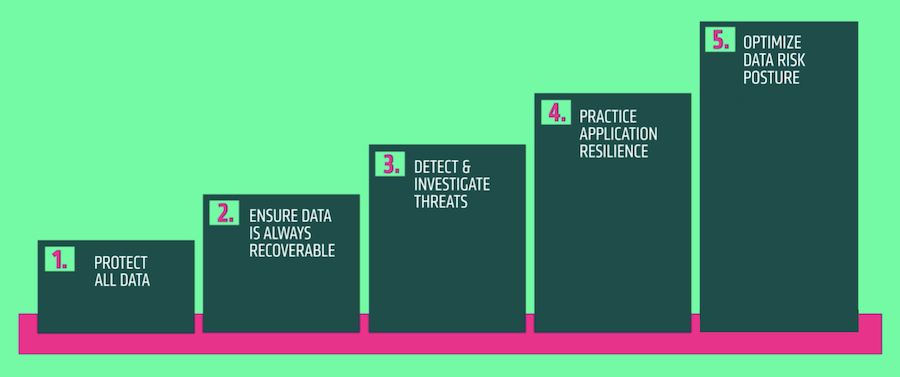
5 steps to improve your cyber resilience
Solution Brief
Solution Brief
Cohesity Cyber Resilience: Beyond cloud-native backup and recovery
Analyst Report
Analyst Report
Cohesity named a Leader in the 2025 Gartner® Magic Quadrant™ for Backup and Data Protection Platforms
Loading